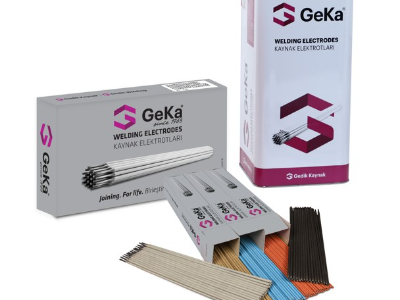
Things You Should Know When Choosing a Welding Electrode
Things You Should Know When Choosing a Welding Electrode
Strong and High-Quality Welds with the Right Electrode Selection
Why Is Choosing the Right Welding Electrode Important?
Electrode selection is a critical factor for the strength, penetration, and longevity of the weld. Using the wrong electrode can lead to cracks, porosity, poor bonding, and high rework costs.
Therefore, selecting an electrode suitable for the specific welding application forms the foundation of weld quality.
1. Identify the Base Metal Correctly
The first step in selecting an electrode is determining the type of base metal to be welded:
- Carbon steels
- Low-alloy steels
- Stainless steels
- Cast iron
- Aluminum and aluminum alloys
Electrodes specifically developed for each metal group should be used. A wrong match can significantly reduce mechanical strength.
2. Consider the Electrode Coating Type
In covered electrodes, the type of coating directly affects welding performance:
- Rutile electrodes: Easy arc striking, smooth weld bead, general-purpose applications
- Basic electrodes: High strength, low hydrogen, critical structures
- Cellulosic electrodes: Deep penetration, vertical-down positions
The correct coating should be chosen according to the application conditions.
3. Take the Welding Position into Account
The welding position is a determining factor in electrode selection:
- Flat (PA)
- Horizontal (PB)
- Vertical (PF/PG)
- Overhead (PE)
Some electrodes can be used in all positions, while others are suitable only for specific positions.
4. Choose the Correct Electrode Diameter
The electrode diameter should be selected based on material thickness and welding current:
- Thin materials: Small-diameter electrodes
- Thick sections: Larger-diameter electrodes
Using the wrong diameter can cause issues such as excessive burn-off, spatter, or insufficient penetration.
5. Check Mechanical Strength and Standard Requirements
When evaluating a welded joint, factors such as:
- Load
- Pressure
- Vibration
- Temperature variations
should be taken into account. It is crucial that the electrode complies with relevant EN, AWS, or ISO standards.
6. Welding Environment and Working Conditions
Field conditions can be a determining factor in electrode selection:
- Outdoor or windy environments
- Humidity and temperature conditions
- Hard-to-reach welding points
In such cases, electrodes with high arc stability and wide usability tolerance should be preferred.
7. Don’t Forget Storage and Usage Conditions
Proper storage of electrodes is critical for their performance:
- Protect from humidity
- Bake when necessary
- Store properly after opening the packaging
Moisture, especially in basic electrodes, directly affects weld quality.
The Right Electrode, the Right Result with Gedik Welding
Gedik Welding offers reliable solutions with its high-performance welding electrodes, developed to meet the needs of different industries and applications. Our products provide a stable arc and high mechanical strength, ensuring quality and consistency in welding processes.
Conclusion
Choosing a welding electrode is not just a consumable selection—it is a strategic decision for weld safety, strength, and quality. With the right electrode, you can increase production efficiency while achieving long-lasting welded joints.