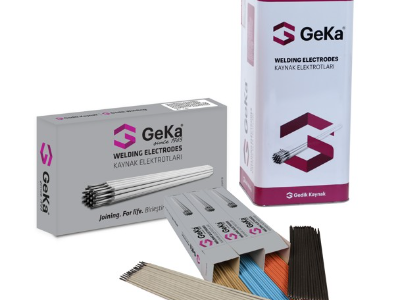
What Is a Welding Electrode?
What Is a Welding Electrode?
A welding electrode is a basic consumable material that carries electrical current during arc welding, enables the formation of the arc, and in some welding methods serves as filler metal. The electrode provides electrical conduction between the welding machine and the base metal and plays a critical role in the formation of the weld pool.
Weld quality is directly dependent on the type of electrode, its coating, and proper selection.
Functions of a Welding Electrode
A welding electrode does more than just conduct electrical current; it also:
- Enables the formation of the welding arc and keeps it stable
- Helps melt the base metal
- Completes the joint by acting as filler metal
- Protects the weld pool from atmospheric effects
- Determines the mechanical properties of the weld bead
For this reason, electrode selection directly affects the success of the welding process.
Types of Welding Electrodes
Covered Electrodes (MMA / Stick Welding)
This is the most commonly used type of electrode.
- The outer surface is coated with a special cover
- Forms a shielding gas and a slag layer
- Suitable for field work
Examples: Rutile, basic, and cellulosic electrodes.
TIG Electrodes (Tungsten Electrodes)
- Non-consumable electrodes
- Provide high arc stability
- Ideal for precise and high-quality welding applications
They are generally used for stainless steel, aluminum, and thin materials.
MIG/MAG Welding Wires (Continuous Electrodes)
- Supplied in the form of a continuously fed wire
- Offer high speed and efficiency
- Suitable for automation
They are widely preferred in mass production lines.
What Is the Purpose of Electrode Coating?
In covered electrodes, the coating:
- Protects the weld pool from oxygen and nitrogen
- Improves arc stability
- Reduces spatter
- Enables slag formation
- Enhances mechanical strength
The type of coating determines the electrode’s application area and performance.
How to Choose the Right Welding Electrode
When selecting an electrode, the following criteria should be considered:
- Type of base metal to be welded
- Material thickness
- Welding position
- Welding method used
- Mechanical strength and standard requirements
Choosing the wrong electrode can lead to serious quality issues such as cracks, porosity, and weak welds.
Precautions When Using Welding Electrodes
- Electrodes should be protected from humidity
- Basic electrodes must be baked before use
- Proper current and polarity settings should be applied
- Electrode diameter should be chosen according to material thickness
Following these rules improves weld quality and consistency.
High-Performance Electrode Solutions by Gedik Welding
Gedik Welding offers reliable and high-performance solutions with its covered electrodes, TIG electrodes, and welding wires developed for various industries and applications. Our products, compliant with international standards, ensure quality, strength, and efficiency in welding operations.
Conclusion
The welding electrode is one of the fundamental components of the welding process. Proper electrode selection and correct usage techniques ensure strong, reliable, and long-lasting welds. To enhance quality in industrial production, it is essential to understand the characteristics of the electrode and its applications.