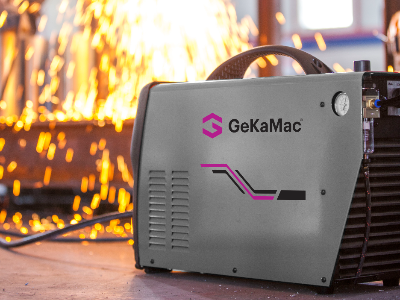
What is plasma cutting?
What is plasma cutting?
Plasma cutting is a process of cutting conductive metals using a high-temperature stream of ionized gas (a plasma arc). This method, created by combining electrical energy with gas transformed into plasma, forms the basis of fast, clean, and high-precision cutting operations in today’s industry.
Plasma is the ionized state of gas formed through high temperature and electrical energy. This ionized gas exits a narrow nozzle at high speed and instantly melts the metal it comes into contact with, creating the cut. Thanks to the intensity of the arc energy, the cut line is narrow and clean, making plasma cutting a versatile solution in the industry.
How Does Plasma Cutting Work?
The plasma cutting process essentially takes place through the following steps:
- The power supply creates an electric arc between the electrode at the torch tip and the workpiece.
- The gas passing through the torch (air, nitrogen, oxygen, argon–hydrogen mixtures) is transformed into plasma by the effect of this arc.
- The plasma exits the narrow nozzle at high speed and strikes the surface of the material.
- The metal melts due to the plasma’s temperature, which can reach 20,000–30,000 °C.
- The molten metal is ejected at high pressure in the cutting direction, and the cut is completed.
This process provides higher speed, greater control, and a smoother cut surface than a torch cut.
Where Is Plasma Cutting Used?
Plasma cutting is preferred in many industries thanks to its high speed, high precision, and broad material compatibility, including:
- Steel construction
- Shipbuilding and shipyards
- Automotive and heavy industry
- Agricultural machinery manufacturing
- Pressure vessel and boiler fabrication
- Metal furniture
- Maintenance and repair workshops
- CNC plasma cutting machines
- Industrial production lines
It can be used in both manual torch systems and CNC-controlled automatic machines.
Chracteristics of Plasma Cutting
The main characteristics that distinguish plasma cutting from other methods:
- Extremely high temperature and speed
- Smooth cutting of both thin and thick materials
- Precise contour cutting (holes, cavities, shapes)
- Narrow heat-affected zone (HAZ)
- Ability to cut metals that cannot be cut with oxygen
- Suitable for both manual and CNC use
It is one of the most efficient methods, especially for carbon steel, stainless steel, and aluminum.
Which Materials Can Plasma Cutting Be Used On?
Plasma cutting can be applied to all electrically conductive metals:
- Carbon steel
- Stainless steel
- Aluminum
- Copper and copper alloys
- Cast iron
- Titanium
These are materials that are difficult or impossible to cut using oxy-fuel cutting.
Advantages of Plasma Cutting
Plasma technology offers numerous advantages in both manual use and CNC machines:
1. High Cutting Speed
Plasma is significantly faster than traditional oxy-fuel cutting.
For example, it can cut 10 mm sheet metal 3–5 times faster.
2. Clean and Smooth Cut Surface
Thanks to its high arc energy, slag formation is minimal.
This reduces the need for post-cut grinding.
3. Versatile Application
It delivers effective results in all types of cutting, such as:
- Thick sections
- Thin sheets
- Manuel cutting
- CNC cutting
4. Wide Material Compatibility
It performs well even on materials that cannot be cut with oxygen.
5. Low Heat Impact
Thanks to its narrow heat-affected zone (HAZ), the risk of metal distortion is reduced.
6. Cost-Effective
- Long-lasting consumables
- Low energy consumption
- High cutting speed reduces overall production costs
Types of Plasma Cutting
1. Manual Plasma Cutting
These are cuts made with portable plasma cutting machines.
Ideal for service and maintenance teams, workshops, and small businesses.
2. CNC Plasma Cutting
Computer-controlled, high-precision cutting.
Preferred for thick plates, heavy workloads, and mass production.
3. Hyper Plasma / High-Performance Systems
It is used in jobs requiring high-level quality by offering the following:
• A narrower arc
• Higher speed
• Minimum slope on the cutting surface
Which Gases Are Used for Plasma Cutting?
Different gases affect cutting performance and edge quality:
- Air → Most common and economical
- Oxygen → High speed on carbon steel
- Nitrogen → Good surface finish on stainless steel
- Argon–Hydrogen → Thick and precise stainless steel cuts
- Argon → Thin materials
Compressed air is generally preferred in manual machines.
How to Choose a Plasma Cutting Machine?
When selecting the right plasma cutting machine, the following criteria are important:
1. Cutting Capacity (mm)
The machine’s piercing ability, quality of cut, and maximum severance cutting values should be considered.
2. Power (Amperage)
• 40–60 A → Thin sheets
• 80–120 A → Medium thickness
• 120 A and above → Heavy industry
3. Duty Cycle
A high duty cycle is critical for businesses with intensive production.
4. Consumable Lifespan
The durability of torch consumables directly affects operating costs.
5. Compressor Requirement
Some plasma machines have built-in compressors, while others require an external compressor.
6. CNC Compatibility
Important for businesses planning automation investments.
7. Portability
Light and compact models are preferred for field and service work.
Conclusion
Plasma cutting is a modern metal cutting method that offers speed, precision, cost-effectiveness and broad material compatibility. This technology, used on both manual and CNC machines, enhances production quality and efficiency across numerous industries.
Selecting the correct plasma machine; determining the right power, gas and consumable combination is critical as it directly affects cutting quality, cost and production speed.